Author: Girloutside Page 4 of 7

Macbeth @ Little Angel Theatre, London – October 2013

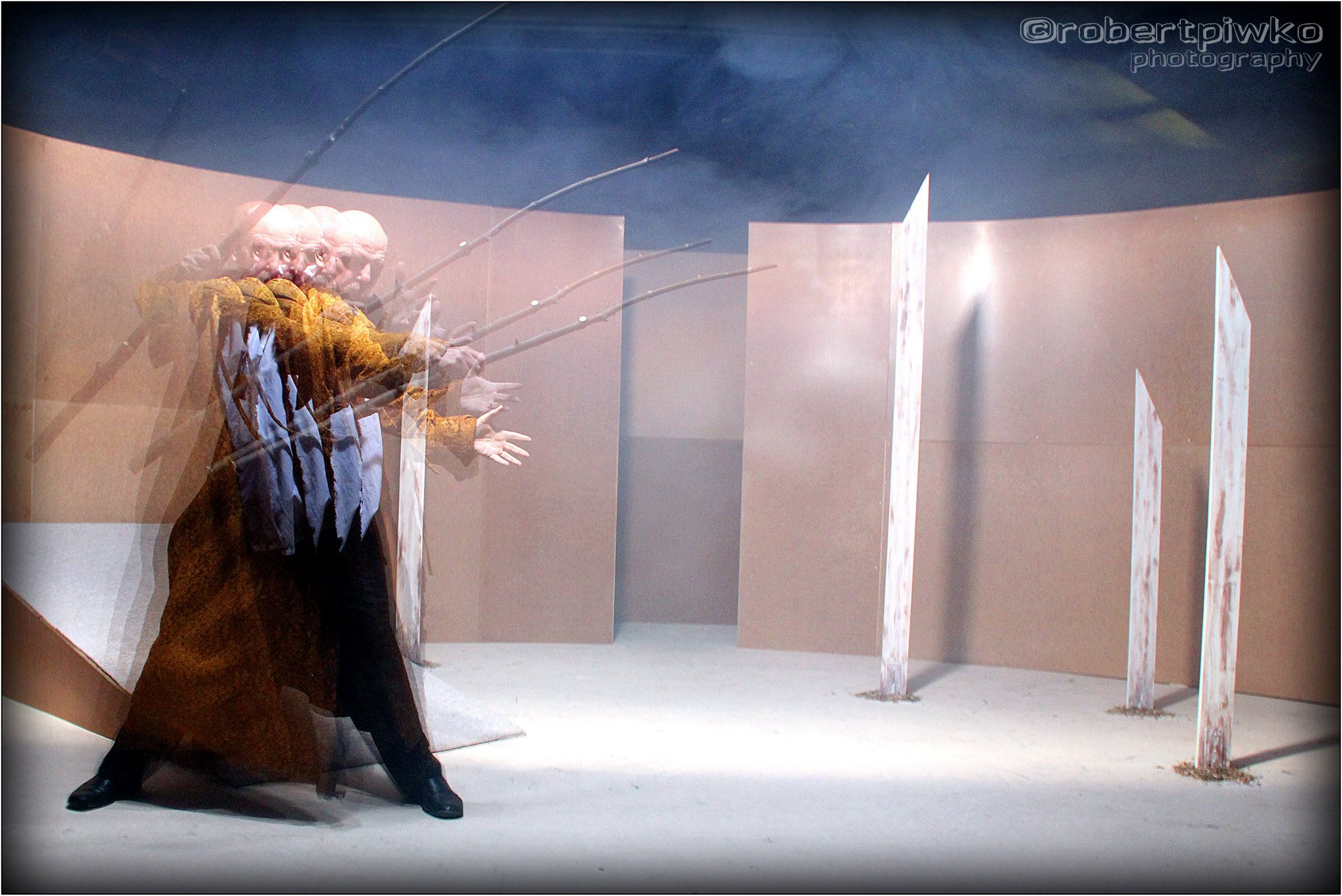
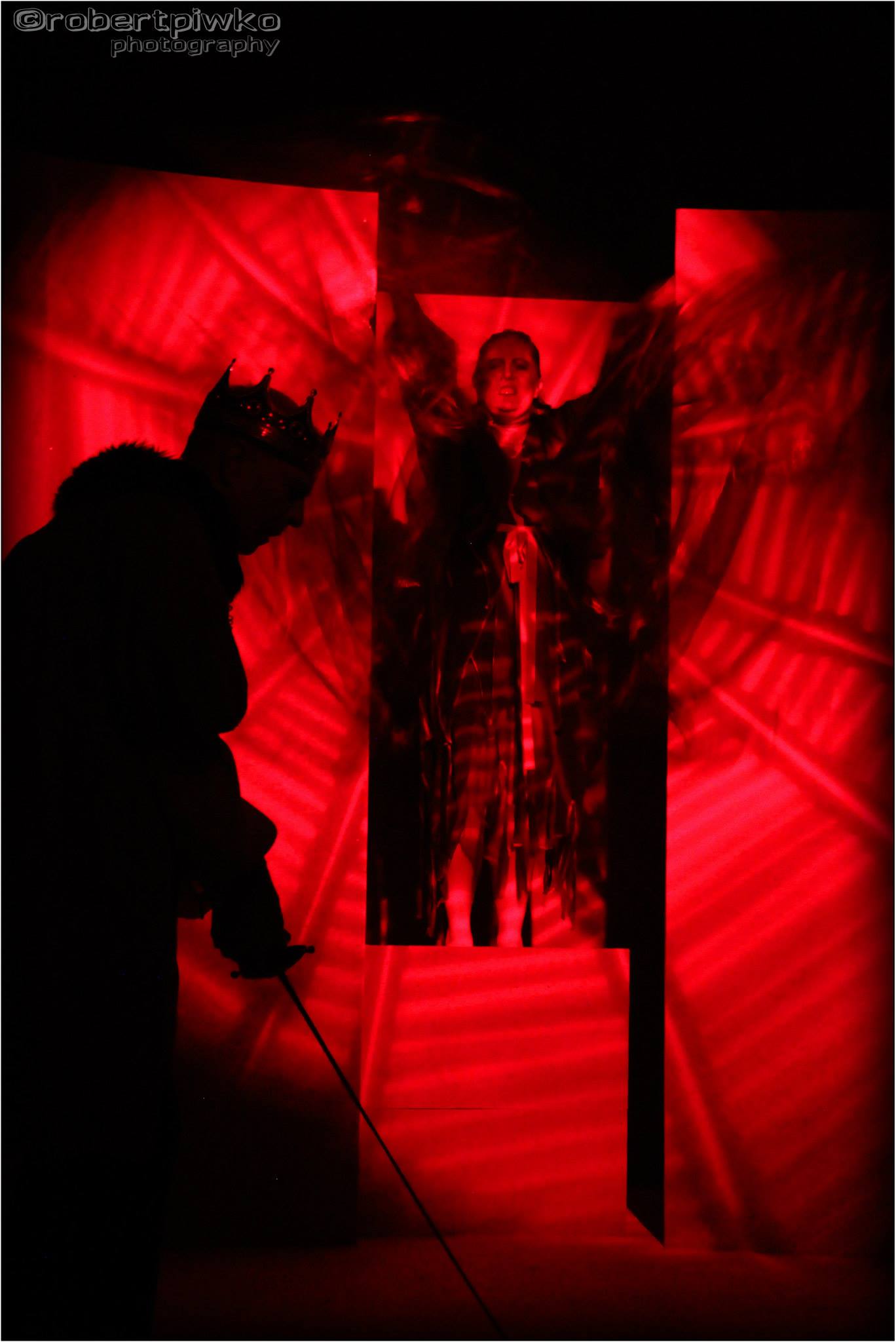
Most people, particularly Shakespeare enthusiasts, would probably balk at the idea of one of the Bard’s bloodiest tragedies being performed by puppets. However, this beautiful and compelling adaption of the Scottish Play, currently playing at Islington’s delightful Little Angel Theatre, dissolves any doubts and misconceptions one might have within the first five minutes.

Directed and adapted by the Little Angel’s own Artistic Director, Peter Glanville, this production is part of the Suspense Festival, a series of plays taking place across 12 venues, presenting puppetry for adults. The play runs for 90 minutes with no interval, but makes up for what is cut out in abundance, with its imagination, inventiveness and sheer originality.

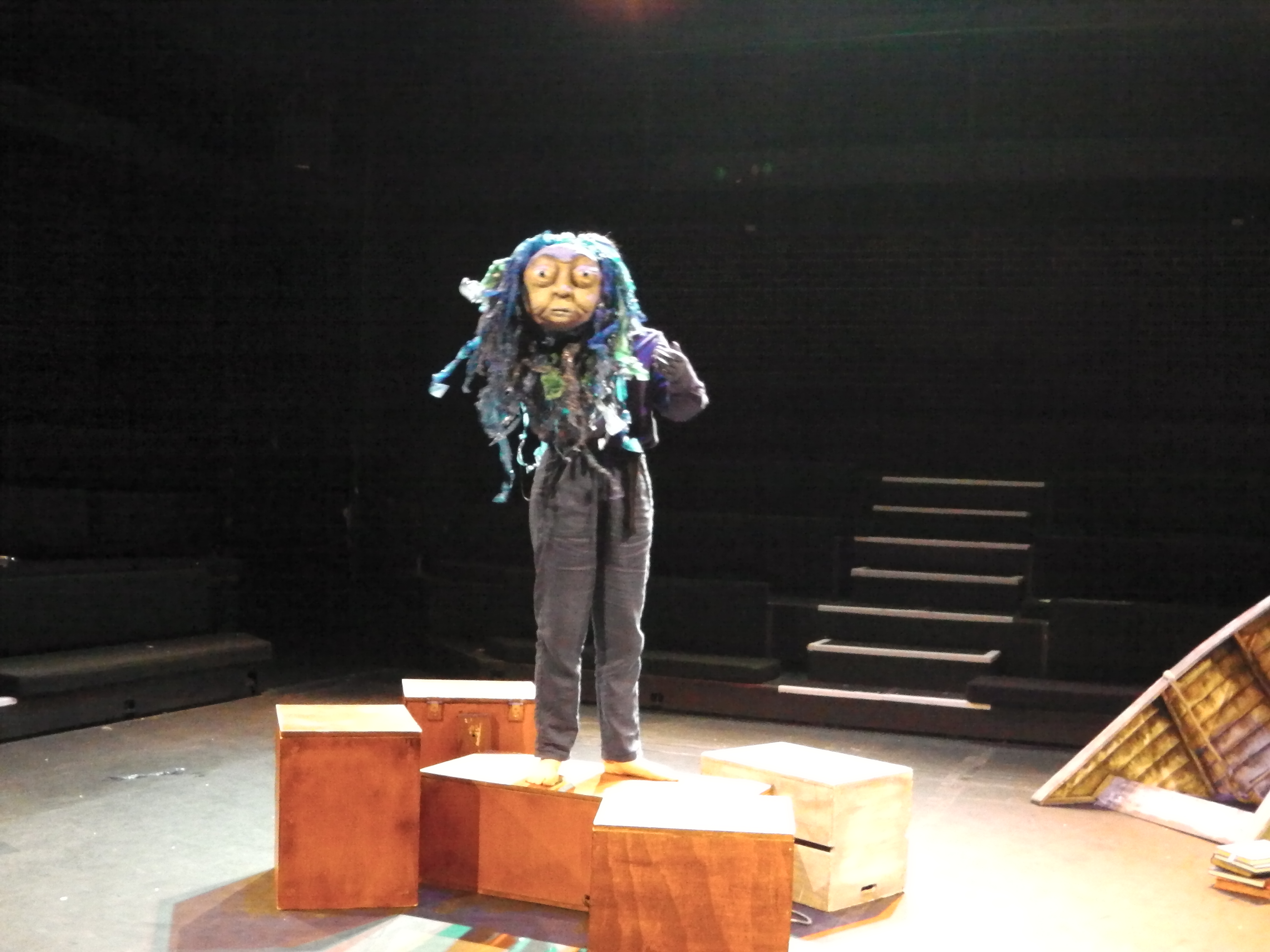
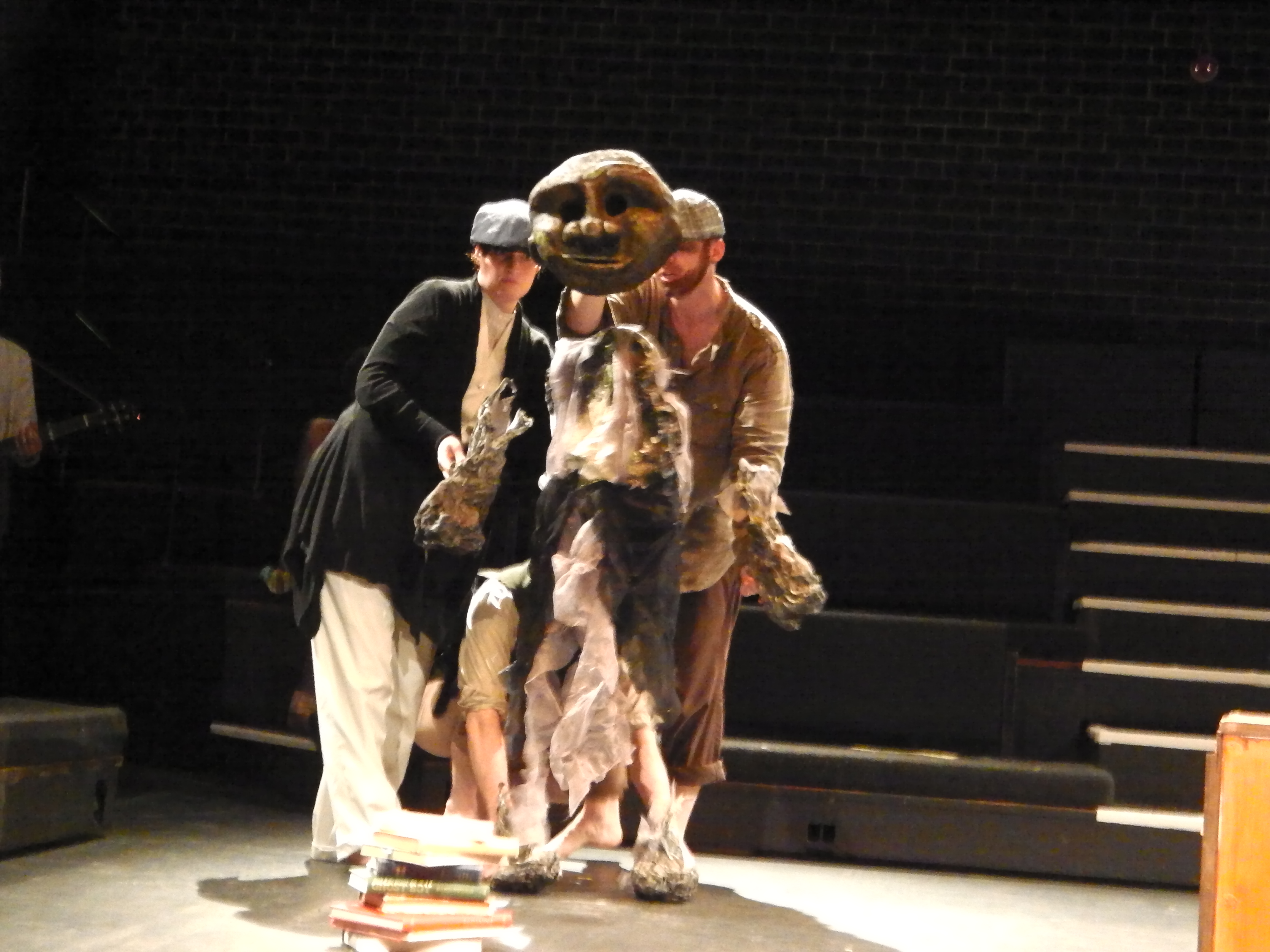
Every character is portrayed by some kind of bird, showcasing Shakespeare’s tremendous use of imagery and highlighting and playing on the metaphors of a text that is littered with references to fowl. The murderous Macbeth himself is played by a mean-looking wooden cockerel and his wife a chicken, whilst King Duncan and other members of the monarchy become gentle and majestic swans. The talented puppeteers are three women (Claire Harvey, Lori Hopkins and Lowri James) dressed in black with whitened faces and sunken eyes, who could pass for the ‘three weird sisters’ themselves, but who actually operate the puppets with such skill and dexterity that their presence is both eerily haunting and, occasionally, momentarily forgotten.

The use of puppets instead of humans, of course, means that the director can defy limitation and do things that are not usually possible on stage, and Glanville takes full advantage of this. Far from detracting from the play’s horrific subject matter and disturbing events, and combined with Peter O’Rourke’s terrific set and David Duffy’s atmospheric lighting design, the puppets fashion an exciting new dimension, accentuating the awfulness and creating undeniable creepiness. That the beaks never move to the recorded dialogue only serves to compliment an already weird, but remarkably successful effect. Shakespeare’s world becomes one in which witches soar and swoop menacingly, innocent chicks get murdered in their nest and pecking cocks fight ferociously to the death.

Whilst the key events of the original script are put across clearly and convincingly and the recorded dialogue is meticulously audible throughout, a good prior knowledge of the play is essential to glean a full understanding of what is happening. The recording means that the script comes across with new clarity and immediacy, every word crystal clear and loaded with meaning. Nathanial Parker’s Macbeth is beautifully commanding and crisp, his Lady Macbeth ingeniously interpreted by Helen McCrory who brings a sexy femininity to the character and new meaning to ‘foul (fowl) is fair…’.

All in all, this Macbeth is a challenge and a half which the company pulls off with commendable gusto and which will undoubtedly create a new legion of adult puppetry fans. I’d love to see their take on Hamlet….


Jekyll & Hyde @ Southwark Playhouse, London – September 2013

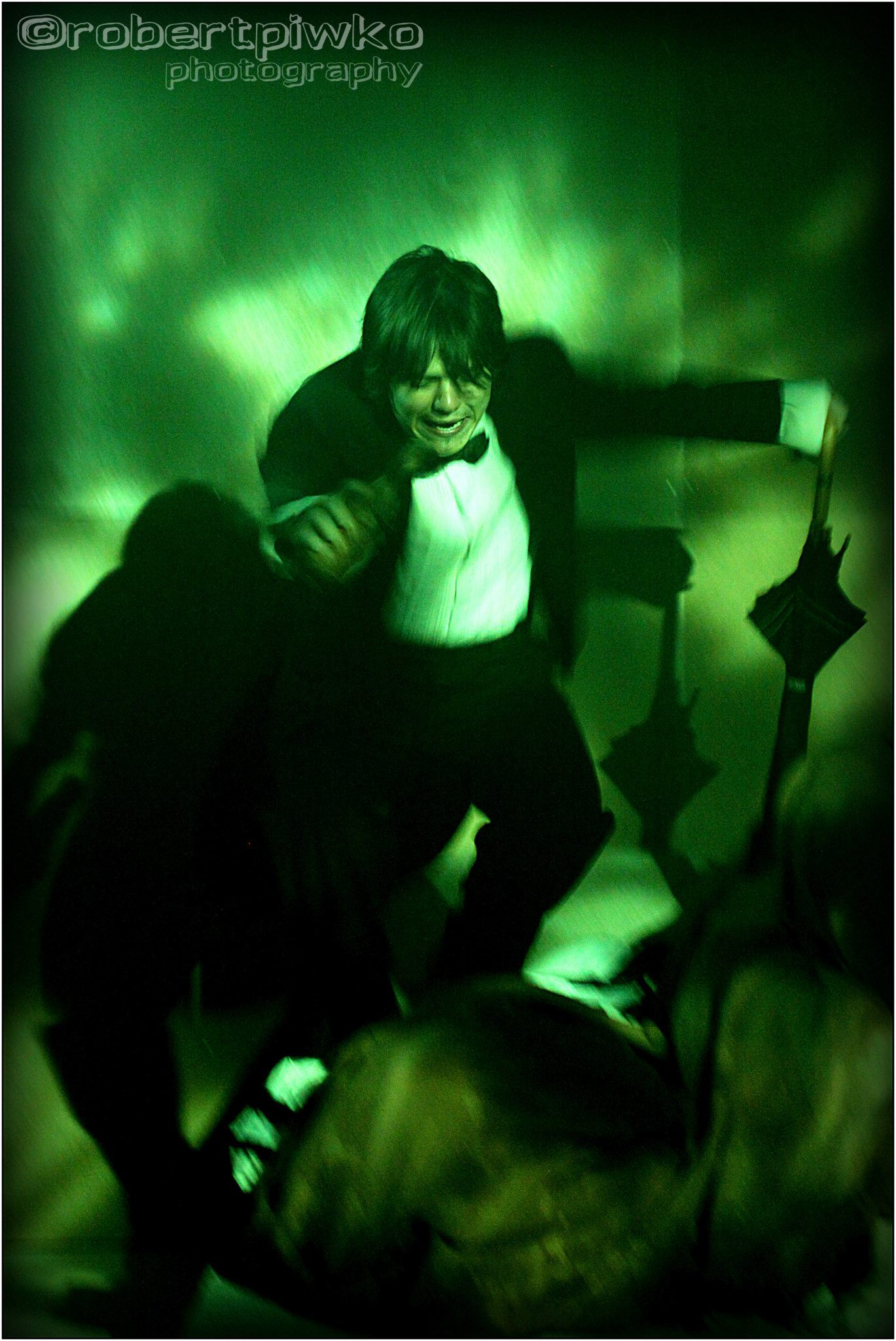
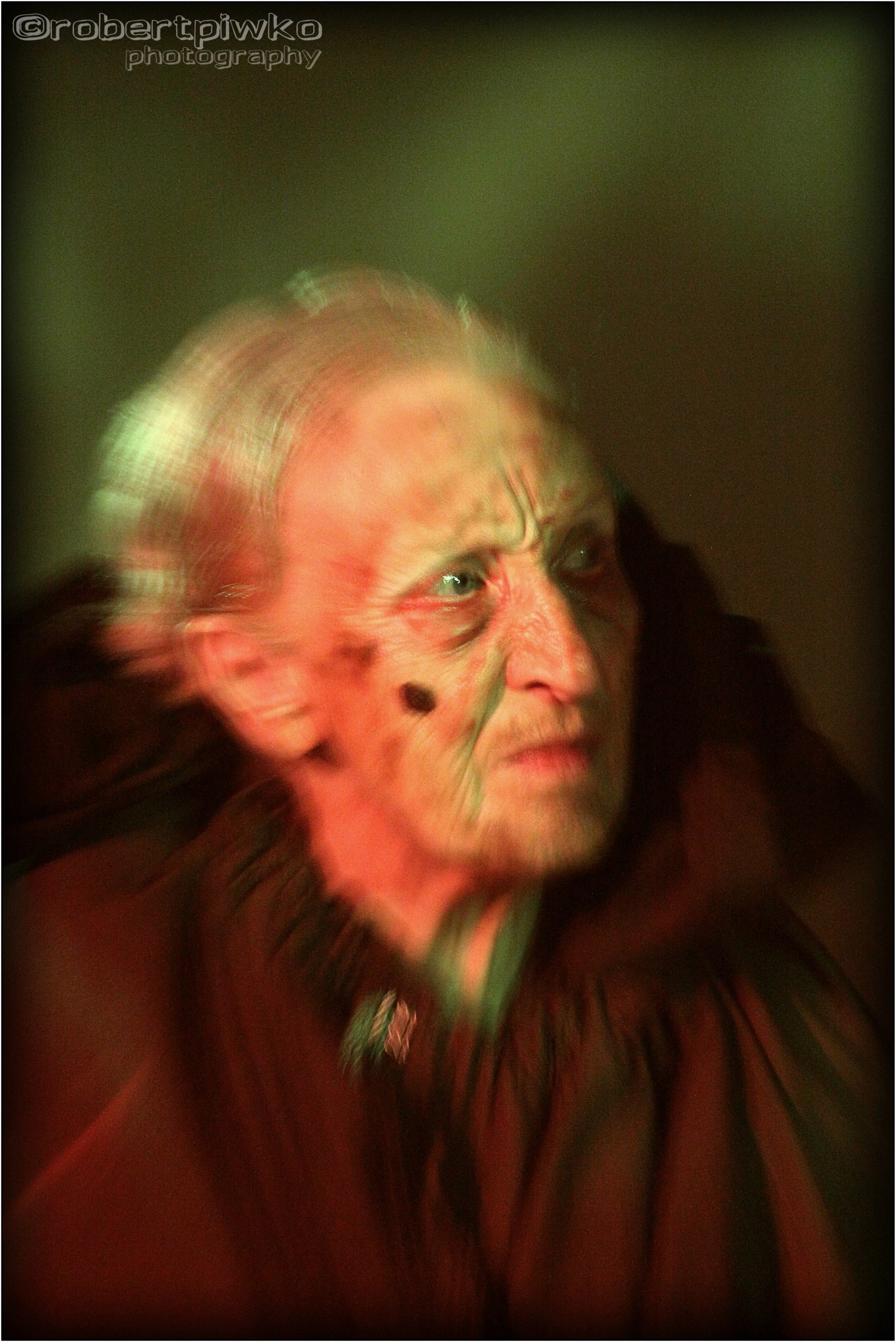
The Strange Case of Dr Jekyll and Mr Hyde is an 1886 novella, allegedly written and rewritten in one evening whilst its author, famous Edinburgh son Robert Louis Stevenson, was high on drugs or fever or both. Essentially the study of the dual personality or schizophrenia, as it has come to be known, the story has been much depicted and adapted over the years in plays, musicals and films and has been undoubtedly influential in the growth of understanding of the subconscious mind.

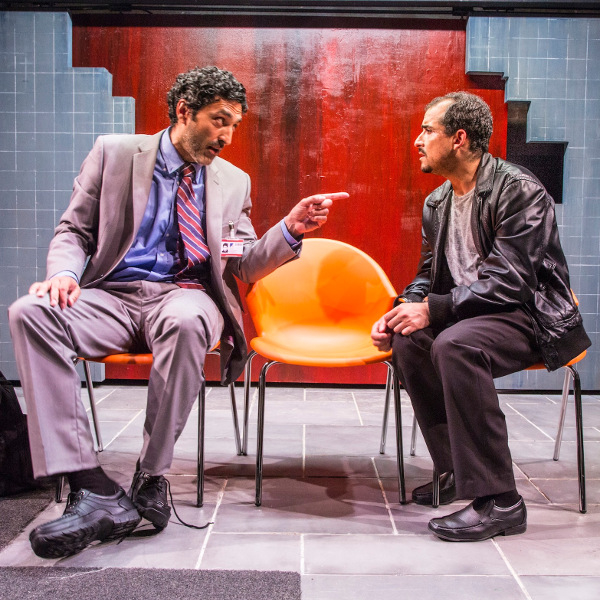
Apparently if you think you know the story, though, think again. This is how this new and radical adaption by playwright Jonathan Holloway and collaborative theatre company, Flipping the Bird, appears to want to challenge its audience. Fresh from a successful run in Edinburgh, this hour-long piece finds the perfect new home in the Southwark Playhouse’s new ‘Little’ space where Joanna Scotcher’s scant yet eerily effective set brings dirty Victorian London vividly back to life.

As if Stevenson’s story is not outlandish and horrific enough, this production turns it on its head, whilst keeping the original themes at its core. The tale is restructured into the revelation of the contents of a memoir which is being sold on the black market. As the deal is discussed by dodgy characters St. John and Worsfield, the manuscript’s story is brought to life in front of them. White-faced and suitably dead behind the eyes, both Elliott Rennie and Joel Phillimore deliver performances which are superbly melodramatic and provide musical accompaniment on cello, accordion and ukulele. This narrative device is inspired and works brilliantly, but sadly is where the magic ends.

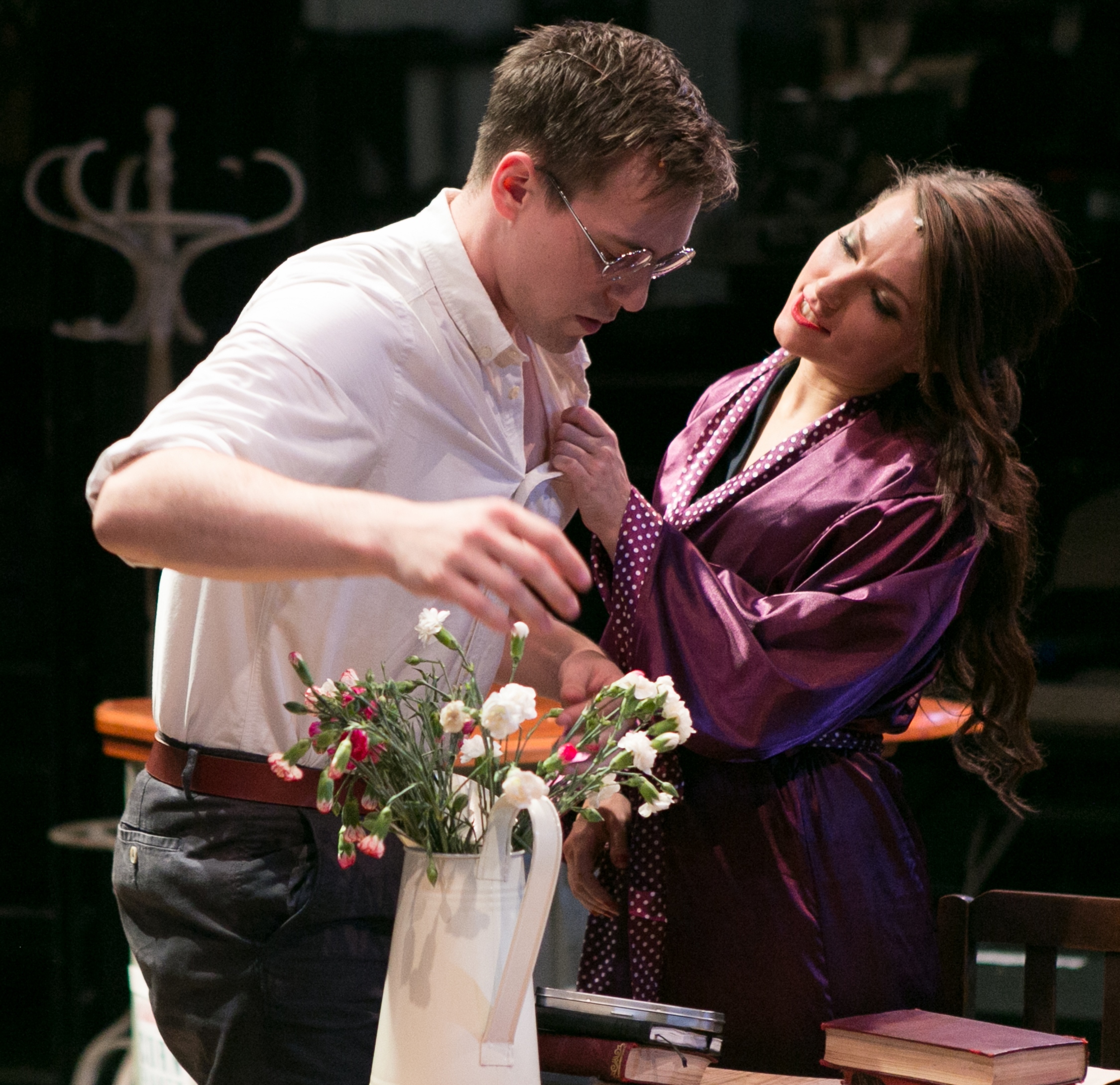
In Holloway’s adaption, Dr Jekyll (Cristina Catalina) becomes a ‘European’ woman and the investigative lawyer, Utterson (Michael Edwards), her unfortunate lover. A dazzlingly talented scientist, this Jekyll feels trapped by Victorian conventions, constraints and attitudes towards women. Frustratingly ahead of her time, she reacts by using her brilliant brain to turn herself into something brutally rebellious and grotesque, committing heinous crimes against society and humiliating and abusing her man with tactics designed to shock.

The idea is brave and interesting, especially considering the production was originally staged on Stevenson’s home turf, but the violent feminist overtones, in a modern society where women are achieving more than ever, feel hackneyed and outdated. The members of the five-strong cast work well together and there are some outstanding performances, but one hour is simply not long enough for them to create any real depth or for the audience to make any kind of emotional connection with their characters. In addition, the piece relies far too much on a detailed knowledge of the original in that even someone very familiar with Stevenson’s work would struggle at times to grasp what is going on.

Where Holloway’s Jekyll is essentially too big for the era she inhabits, she ironically mirrors the overall effect of this piece which, whilst clearly setting out to achieve something original and awe-inspiring, shoots itself in the foot and ultimately fails by trying to cram too much experimental weirdness and radical reshaping into too short a space of time.

An Evening with Dave Willetts @ The Crazy Coqs – September 2013

WillettsDave2-1For more than 25 years, Dave Willetts has been a leading musical theatre star and critically acclaimed for his performances in some of the world’s most popular shows. He was the first actor in the world to play the leading roles in both Les Misérables (London and Australia) and The Phantom of the Opera (London and Manchester) and over the years has taken numerous other roles in shows such as Jesus Christ Superstar (Jesus), Sweeney Todd (Sweeney), Sunday in the Park with George (George), Ragtime (Father), Seven Brides for Seven Brothers (Adam Pontipee), South Pacific (Emile de Becque), Sunset Boulevard (Max Von Mayerling – for which he received an Olivier nomination), 42nd Street (Julian Marsh), Aspects of Love (George Dillingham) and Legally Blonde (Professor Callaghan). Dave has also recorded five solo albums and undertaken numerous concert tours of the UK.

What many may not realise is that accounts of the events leading up to all of the above successes combine to make a fantastic story documenting a rise to fame that most aspiring performers can only dream of. Last week, Dave brought this series of fascinating anecdotes, his pianist, Barry Todd, and a varied collection of songs, to The Crazy Coqs, an intimate cabaret venue in the heart of Piccadilly.

Although there were possibly not too many surprises in the two-act programme for those familiar with Dave’s work, it made for a great introduction for those new to him and a thoughtfully presented couple of hours which transported the audience back to various important milestones in the singer’s professional and personal life. An upbeat medley of Jolson classics conjured memories of Dave’s childhood and family times around the piano and a lovely version of ‘Lullaby in Ragtime’ from The Five Pennies was performed in tribute to Dave’s two daughters, Leanne and Kerry, harking back to his early days of parenting. Old concert favourite, ‘Mr Cellophane’, gave Dave the chance to showcase his acting skills and sense of humour, whilst ‘I Guess it Doesn’t Matter Anymore’ (Dave’s very first audition piece) and ‘I’ll See You in My Dreams’ (grandson Rafferty’s favourite song), performed on guitar and ukulele respectively, unveiled further dimensions to Dave’s tremendous versatility.

Whilst Dave was working at an engineering firm in the Midlands back in the early 1980s, he was invited to see some friends in a production of Call Me Madam, which sparked his interest and subsequent involvement in amateur theatre. He later came to the attention of Bob Hamlyn, artistic director of the Belgrade Theatre in Coventry, when he played Charlie Gordon in the Charles Strouse musical, Flowers for Algernon. Hamlyn later cast him as “third flunky from the left” in Strouse’s Annie. This anecdote led to a spine-tingling performance of ‘Tomorrow’ which showcased perfectly Dave’s inimitable ability to interpret a song and underline the meaning of each and every lyric.

It was when Dave went to audition for the original London production of Les Misérables that things really started to happen for him, and he performed a rapturous version of ‘Luck Be a Lady’ to commemorate the event. That audition resulted in director Trevor Nunn casting Dave in the ensemble, and within a year he was understudying Jean Valjean, eventually taking over the role. In 1987, when Michael Crawford departed London for the US premiere of Andrew Lloyd-Webber’s The Phantom of the Opera, Dave succeeded him at Her Majesty’s Theatre. These momentous achievements were marked at the close of the first half, with Dave presenting spectacular medleys of songs from each show.

The second half of the evening continued the autobiographical theme, particular highlights being a rousing interpretation of ‘Ti Amo’, a dramatic ballad from J’Accuse…! The Passions of Emile Zola, one of Dave’s current projects, and a medley of Neil Diamond classics, which had the audience singing and clapping along. The show closed with more audience participation: ‘We’ll Meet Again’ and, finally, La Cage Aux Folles classics ‘The Best of Times is Now’, and ‘I Am What I Am.’

Dave Willetts is relaxed, personable and engaging on stage, his performances laced with undeniable ‘pizzazz’, his liquid vocals encompassing the exact amount of light and shade. Combined with the sheer class and comfort of ‘The Crazy Coqs’ this made for a terrific few evenings’ entertainment which one can only hope will be repeated in the not-too-distant future.

The Spring Tide @ The Old Red Lion, London – September 2013

lanThe Old Red Lion Theatre’s quest to showcase the work of innovative and exciting new writers continues with this world premiere of Carol Vine’s The Spring Tide.

The play is essentially a study of one woman’s fight with her true self, which results in her allowing convention and what she perceives to be a more socially acceptable way to live, to win. Coupled with the inevitable emotional havoc this wreaks, both on herself and the people in her life, this makes for an ambitious and poignant piece.

The tackling of gay issues in the theatre is by no means new, but I think it is fair to say that stories of women battling their sexuality, getting married and having children, then ‘coming out’ in later life, are more rarely seen. The young versions of Suzy (Lorena Vila) and Lan (Nellie NcQuinn) meet and fall in love whilst still at school and the scenes between them bring out the more innocent side of a same-sex relationship that is both readily embraced by its teenaged participants and which sizzles with possibility. Both young actresses give bold and promising performances and their interaction is tender and thoroughly believable throughout.

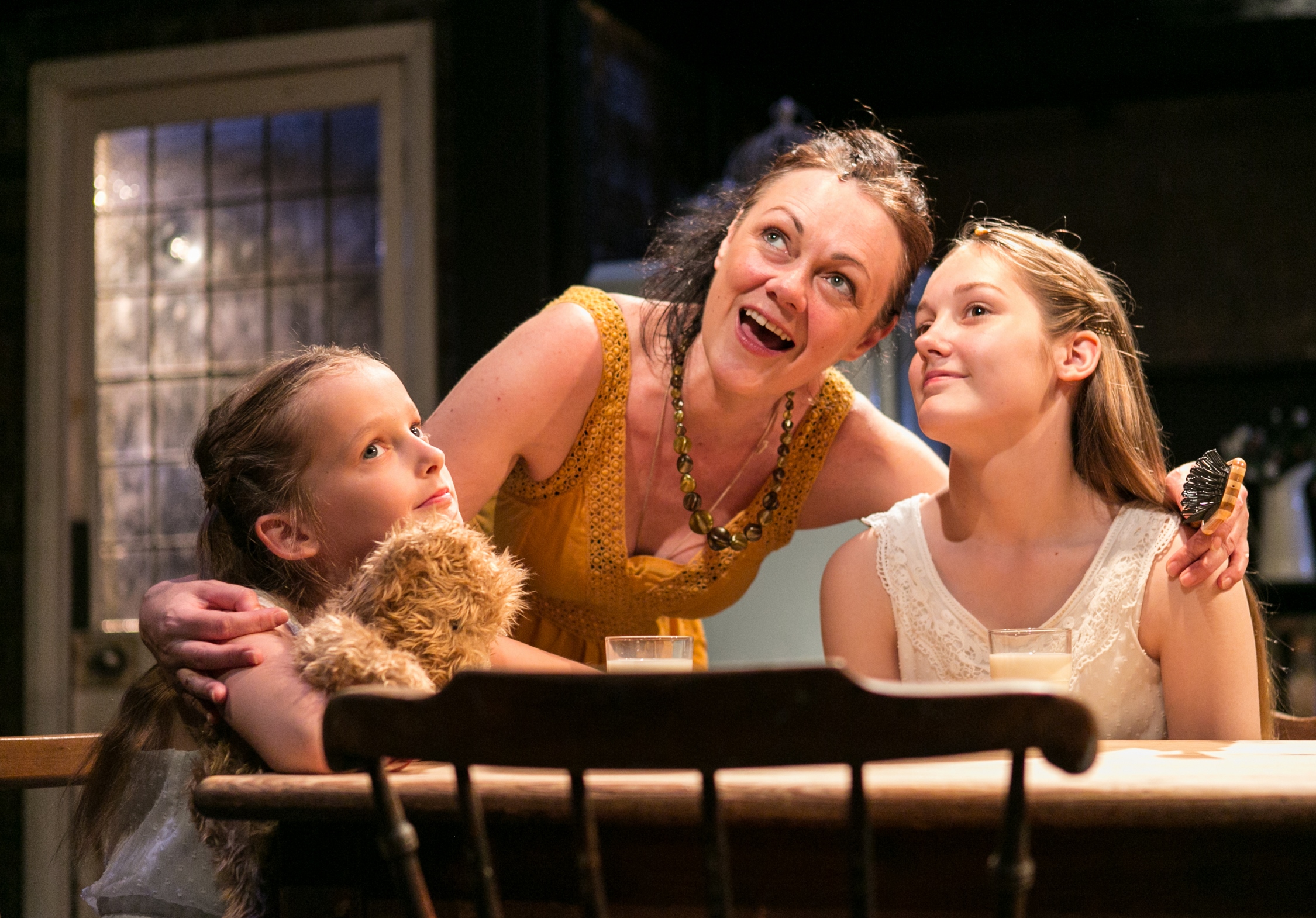
There are, however, a few elements which have the potential to jar and baffle the audience as the play jumps back and forth in time and the girls re-unite as adults. Now 45, Suzy (Melanie Ramsay) has turned her back on her relationship with Lan and married Matthew Ashforde’s hapless Tim.

The couple’s troubled teenaged son, Lewis, is the archetypal exponent of a dysfunctional marriage, and whilst Pierro Niel Mee’s performance occasionally verges on caricature, he brings an undeniable vitality and much-needed humour to the piece. The adult Lan’s Manchester accent is confusing (her younger counterpart has a strong Irish lilt) and the reasoning behind her return to Suzy’s life is never really explained, but Anita Parry’s confident performance is impressive throughout.

Whilst on some levels this production is very much a work in progress, its originality and moving subject matter show real potential for something special.

Photograph: Lorena Vila as Suzy, Nellie McQuinn as Lan, by Jack Weir.

Tutto Bene, Mama? @ The Print Room, London – July 2013

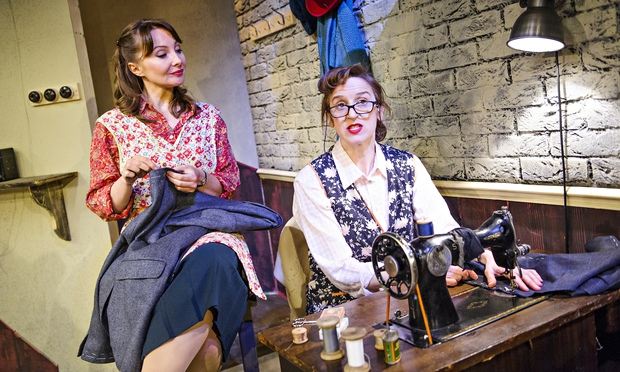
tuttobene02The Print Room is a relatively new and intimate performing arts venue in Notting Hill which aims to deliver work that is ‘ambitious, adventurous and original’. As audience members are led in pairs by theatre staff through a tranquil garden into the pitch black auditorium to witness this new adaption of Gloria Mina’s Tutto Bene, Mama? by April de Angelis, visibility really is zero and ‘ambitious’ is certainly a word that springs to mind.


As the plot unfolds, it becomes abundantly clear why Mina chose to set the piece in darkness.

At its unpleasant centre is the death of a young, single mother whose corpse proceeds to decay and attract swarms of flies as her young son looks on and, simply assuming she is ‘sleeping’, goes about his daily lifein the apartment.

This would clearly pose rather a challenge to present in the traditional way. In addition, the part of the Boy would arguably be far too large and difficult an undertaking for a child to take on, so his voice is supplied by young adult actress Georgia Groome. Her skill is such that it takes a good while to work out that the voice piercing through the darkness is neither male nor that of a child, though once reality dawns it is somewhat distracting.

There’s also the niggling feeling that surely any child with half a brain would panic and call 999 at the sight of his mother unconscious on the floor. His reaction is completely unbelievable and this is the plot’s major flaw.

Is darkness an effective theatrical mechanism or merely a quirky cop out? Whilst it’s true that not being able to see anything forces one to engage in a different way, heightening the other senses and forcing the brain to try and fill in the gaps, unfortunately the sound and smell effects used in this production are somewhat disembodied, quite unrealistic, and do not have a cohesive effect.

Where the piece does succeed is that the experience is distinctly uncomfortable, and there is an overwhelming sense of relief when the action draws to a close. Not typically the aim of theatre perhaps, but this is an ambitious, brave and interesting undertaking nevertheless.

Photo by Ellie Kurttz

A Doll’s House @ Young Vic Theatre, London – April 2013

Easter 2013 marks the triumphant return to the Young Vic of the production of Ibsen’s realist masterpiece that so pleased the critics in 2012 and earned its leading lady two Best Actress awards. A Doll’s House is, amongst many other things, a dark and intimate study of the complexity of human relationships, exploring the way secrets and lies, when buried for too long, can ultimately wreak destruction and ruin family life.

What is immediately striking about this piece is its magnificent use of space and music. Whilst Ibsen confines the action to one area in the play’s text, Ian MacNeil’s superbly imaginative set design treats us to a myriad of different, well-furnished and homely rooms which revolve to Stuart Earl’s atmospheric and haunting score. These elements work well together to embellish the fallacy of domestic contentment that shrouds Nora’s horrible predicament.

Another highlight is the appearance of the Helmers’ daughter Emmy, in the shape of a real baby girl. Impeccably behaved, she is not only a rare delight to behold on stage, but serves to underline the gravity and poignancy of her mother’s drastic decision at the play’s end, a decision that continues to astonish and perplex audiences and readers.

Hattie Morahan’s Nora is a sheer delight, switching easily from the naïve and playful child her husband, a handsome, suave and suitably irritating Dominic Rowan, perceives her to be, to the haunted, persecuted adult who has made the wrong decision for all the right reasons. The couple’s interaction on stage is utterly compelling and entertaining throughout, ensuring that a relatively long first half flies by.

Strong support is provided by Susannah Wise in the role of the well-meaning Kristine. Nick Fletcher’s Krogstad does not really convey the necessary gravitas, but this rarely distracts from a first-rate evening of drama.

Three Sisters @ New Diorama Theatre, London – January 2013

The Faction’s 2013 repertory season continues with Anton Chekhov’s Three Sisters, a typically dark and despairing play which focuses on the lives, loves and thwarted desires of Olga, Masha and Irina. Chekhov’s familiar themes of unfulfilled hope, desolation and futility are played out in a mythological Russian rural town in the late 1800s, one year after the death of the sisters’ father. One by one, the protagonists unveil vacant, purposeless lives laced with hopeless longing. Irina hates her living situation with a vengeance and longs to return to the bright lights of Moscow; Masha is deeply unhappy in her marriage to a boring school teacher and Olga, although successful in her career, would far rather be settled with a family.

Any company’s decision to tackle Chekhov is a brave one and, on the whole, this production does not disappoint. It is difficult, however, not to compare it with director Mark Leipacher’s bold opening to the season and the piece lacks the edginess and artistic inventiveness of Fiesco. It could be, of course, that Chekhov simply offers less to work with and there are undoubtedly still moments of brilliance. For example, although use of the Faction’s trademark ensemble is more limited in this production, one particular scene in which the large cast sit in a perfectly straight line at a party, becoming awkwardly transfixed with something as unexciting as a spinning top, works brilliantly to highlight the empty lives.

Ranjit Bolt’s modern adaption of the text also works well and, once again, there are some superb performances. Derval Mellett’s Marsha is skillfully portrayed as bored to the point of desperation, whilst Jonny McPherson delivers a sensitive portrayal of Vershinin, her married lover who serves to relieve some of her frustration. Lachlan McCall is consistently believable as Andrei, the sisters’ weak, hapless brother, his wife Natasha (played memorably by Laura Freeman), the archetypal, pushy outsider who worms herself successfully into the family despite being hugely unpopular.

Fiesco @ New Diorama Theatre, London – January 2013

The Faction’s 2013 repertory season has much to live up to, but this first offering, a challenging and adventurous take on Schiller’s obscure Fiesco, not only the UK premiere but the English language premiere, bodes very well. It follows in the footsteps of the company’s award-winning production of The Robbers and award-nominated Mary Stuart, continuing their ambitious plan to stage Schiller’s complete works.

Fiesco is a republican tragedy based on the historical conspiracy of Giovanni Luigi Fieschi against Andrea Doria in Genoa in 1547, tracking the rise and fall of its protagonist as he finds himself at the heart of an attempt to overthrow a tyrant. A soave, wealthy young Count with a decadent lifestyle to match, Fiesco is suddenly surrounded by ardent conspirators who seem to want to herald him. However, each man has his own selfish goal, and Fiesco himself periodically grapples with his conscience as he tries to ascertain his own desires and motives. The action is fast-paced and complex and Schiller provides endless twists and turns, building layer upon layer of conspiracy and corruption.

This production, despite the Faction’s characteristic lack of scenery and props, is bold and colourful, director Mark Leipacher daring and inventive throughout. The disguise of the omnipresent, physically conspicuous Chorus during the first half with use of a variety of rubber masks and the doubling up of actor Gareth Fordred to depict both the aging Duke and his depraved, tyrannical nephew are enlightened, bold devices which work well.

Performances are excellent across the board, but particularly worthy of mention are Richard Delaney, whose Fiesco is consistently believable and engaging, Kate Sawyer who delivers an extravagant and crowd-pleasing portrayal of Julia, the unfortunate object of Fiesco’s feigned love-interest, and Anna-Maria Nabirye, who is beautifully emotionless and mercenary as the tragic hero’s side-kick and spy.

Overruled @ Old Red Lion Theatre, London – January 2013

George Bernard Shaw makes a seldom-seen and very welcome visit to the London Fringe this January with Wilmington Theatre Company’s vibrant production of Overruled, a trio of his lesser-known short comedies. Fast-paced, insightful and littered with guffaw-inducing one-liners, the plays give a delightful insight into the playwright’s wittier, more daring side.

How He Lied to Her Husband, concerning a book of passionate love poetry that falls into the wrong hands with surprising consequences, Overruled, examining the extra-marital relations between two different couples whilst on holiday and Village Wooing, tracing an unlikely relationship starting on a cruise ship and blossoming in a village store, fit very well together, the controversial (if not unspeakable, in Shaw’s day) issues they explore making for a modern and relevant slant. The battle of the sexes, role reversals, adultery, skewed morals and wife-swapping are just some of the themes thrown into focus as the company work competently through each extended sketch.

Polina Kalinina’s direction is intelligent and slick, ensuring perfect pace and mood throughout whilst Emma Bailey’s simple yet sophisticated set design provides the necessary adaptability for the transitions between plays. The whole company provide consistently excellent acting, but particularly worthy of mention are Leo Wyndham, who makes swapping from nervous, naive idealism to arrogant swagger look easy and Lucy Hough who really shines in the final piece as the canny, self-assured young shop assistant who becomes master of her own destiny and exposes the fragility and shortcomings of her male counterpart.

Once Upon a Mattress @ Union Theatre, London – December 2012

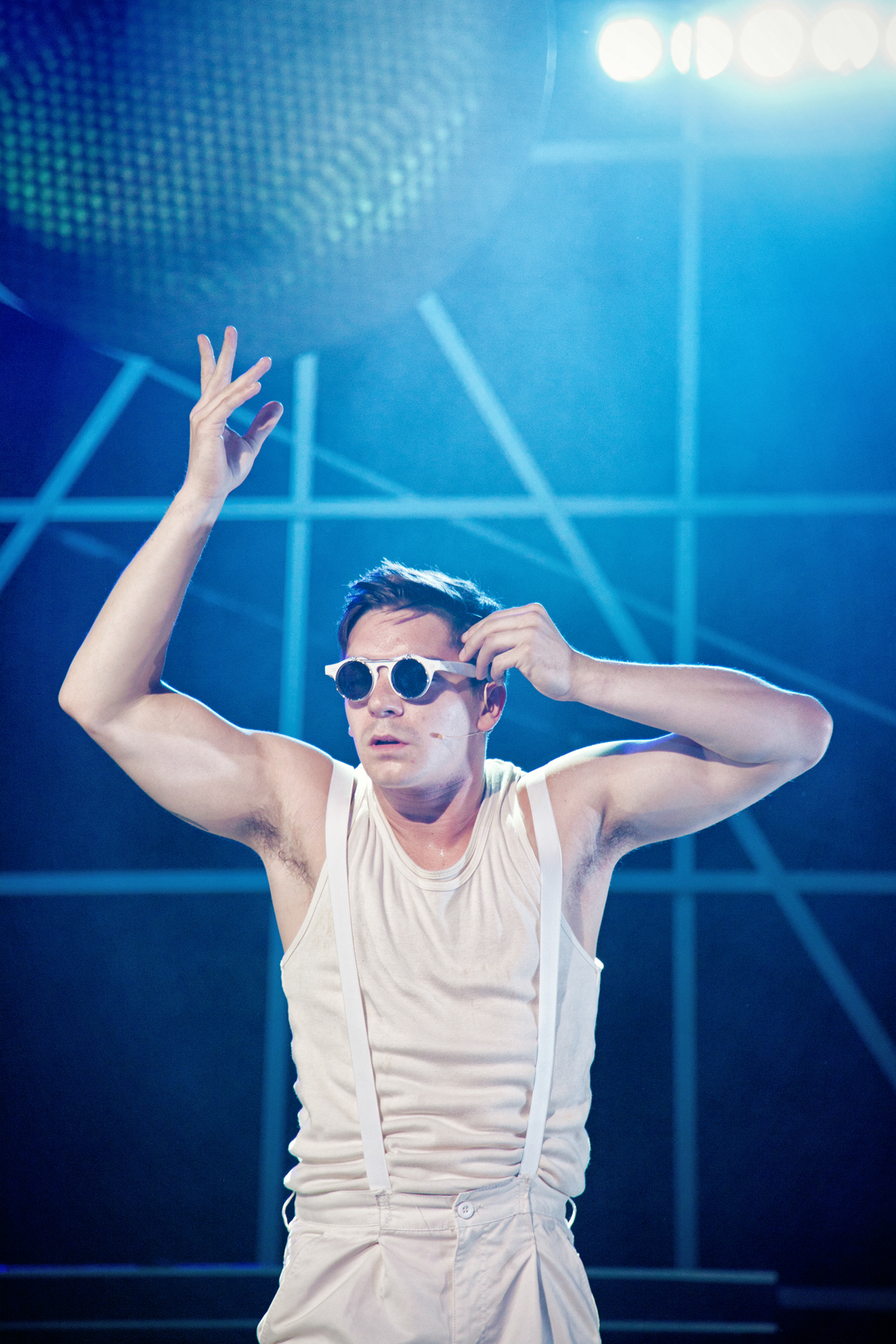
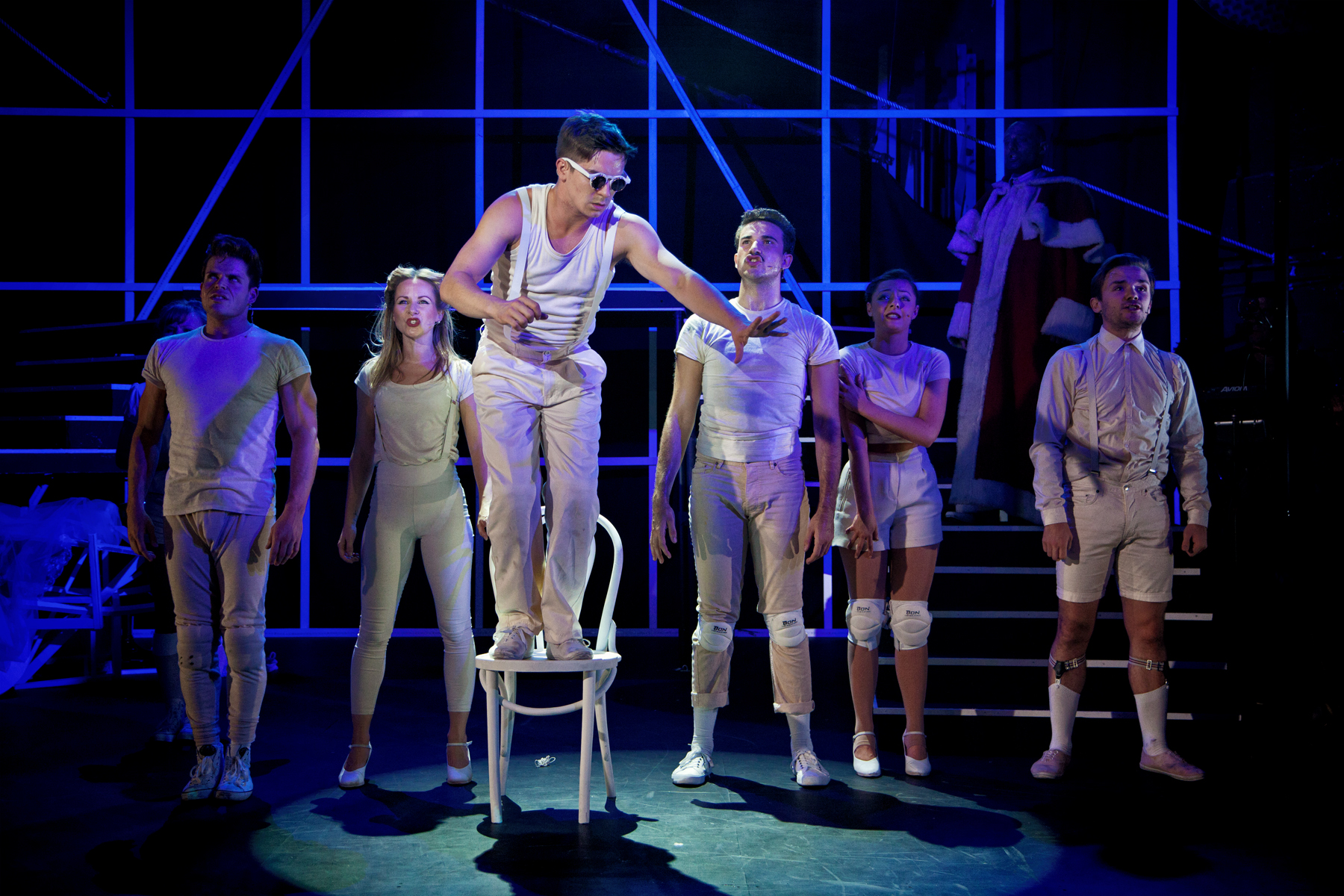
This festive season, one of Southwark’s truly delightful hidden gems plays host to Once Upon a Mattress, a 1950s musical adaption of classic fairy tale The Princess and the Pea that claims to reveal a more accurate, untold version of events.

At first, this production appears to lack purpose, losing sight of what it wants to be; is it a bawdy take on an old classic aimed at adults or a wholesome piece of children’s entertainment? Admittedly, Mary Rodgers’s score and Marshall Barer’s lyrics are dated and do not really provide material of a consistently high quality for the cast and creative team to work with, but if this is intended to be a tongue-in-cheek version of a timeless classic then numerous tricks and opportunities to raise laughs are completely missed by various cast members.

Purpose rapidly loses importance, though, as the performance gets into full swing, the fantastic array of talent on stage unfolds and we are treated to some superb acting and polished singing and dancing. The chorus ensemble is particularly strong, drawing all it possibly can from the score with some soaring harmonies and pristine piano accompaniment from musical director, Alex Parker. Kirk Jameson’s direction comes into its inventive own with his decision to intermittently have the ensemble both observe and contribute to the action taking place on stage from the back of the auditorium, whether this be singing or tap dancing.

This is a predominantly youthful cast, with several people certain of bright futures. Ryan Limb’s Minstrel opens the show beautifully and draws the audience in immediately, Stiofan O’Doherty is dashing and believable as Sir Harry, his beautiful singing voice verging on the operatic as he woos his way through a tricky situation, Jenny O’Leary, lovable and compelling, provides the perfect non-traditional heroine in Princess Winifred and her Prince Dauntless, played faultlessly by Mark Anderson is the archetypal, hapless Mummy’s boy. As for the more senior members of the ensemble, Paddy Glynn’s Queen Aggravain is suitably malevolent as she enlists distinguished David Pendlebury’s wizard to devise tests designed to stump her son’s sequence of potential wives. Denis Quilligan, as the mute King Sextimus, displays the most skilful comic timing of the piece throughout several scenes.

An enjoyable evening that provides a pleasant and quirky alternative to the traditional family pantomime in an intimate setting.

Page 4 of 7

Powered by WordPress & Theme by Anders Norén