Category: Entertainment Review Blog Page 2 of 8

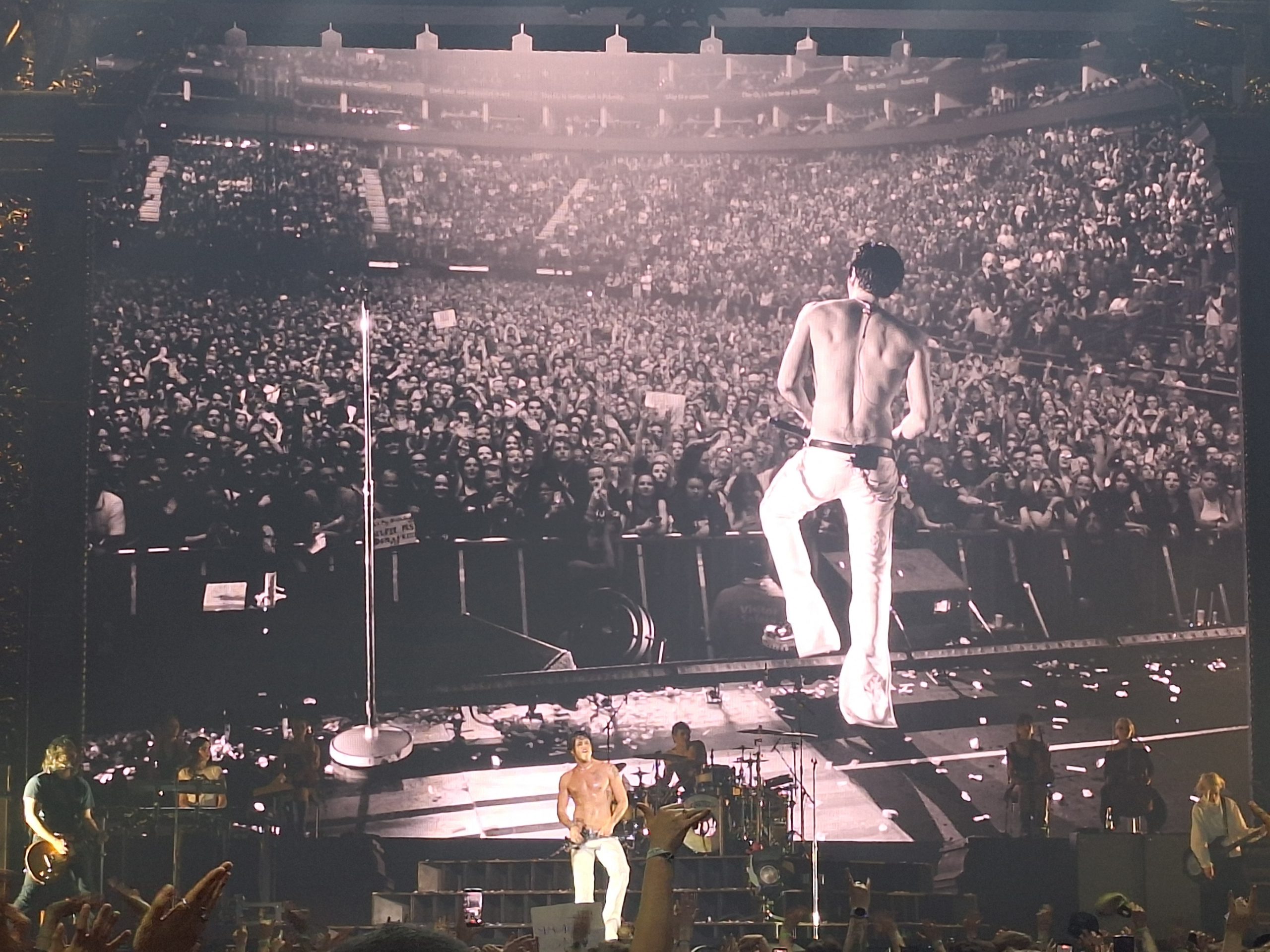
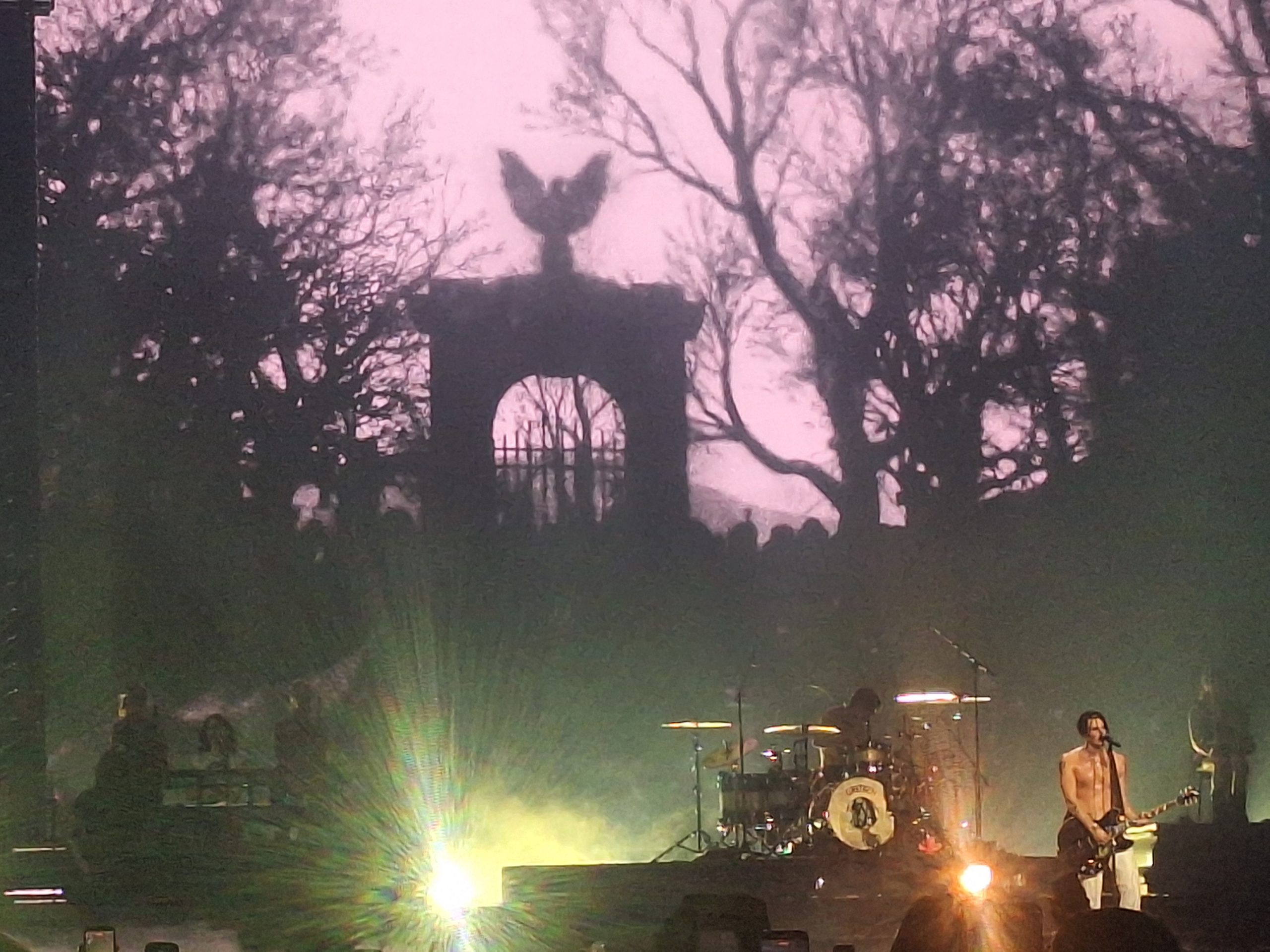
Teeth ‘N’ Smiles @ Duke of York Theatre, London – April 2025

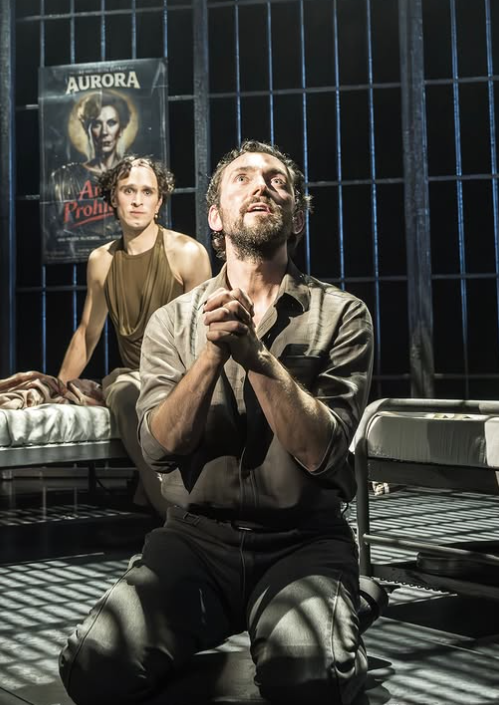
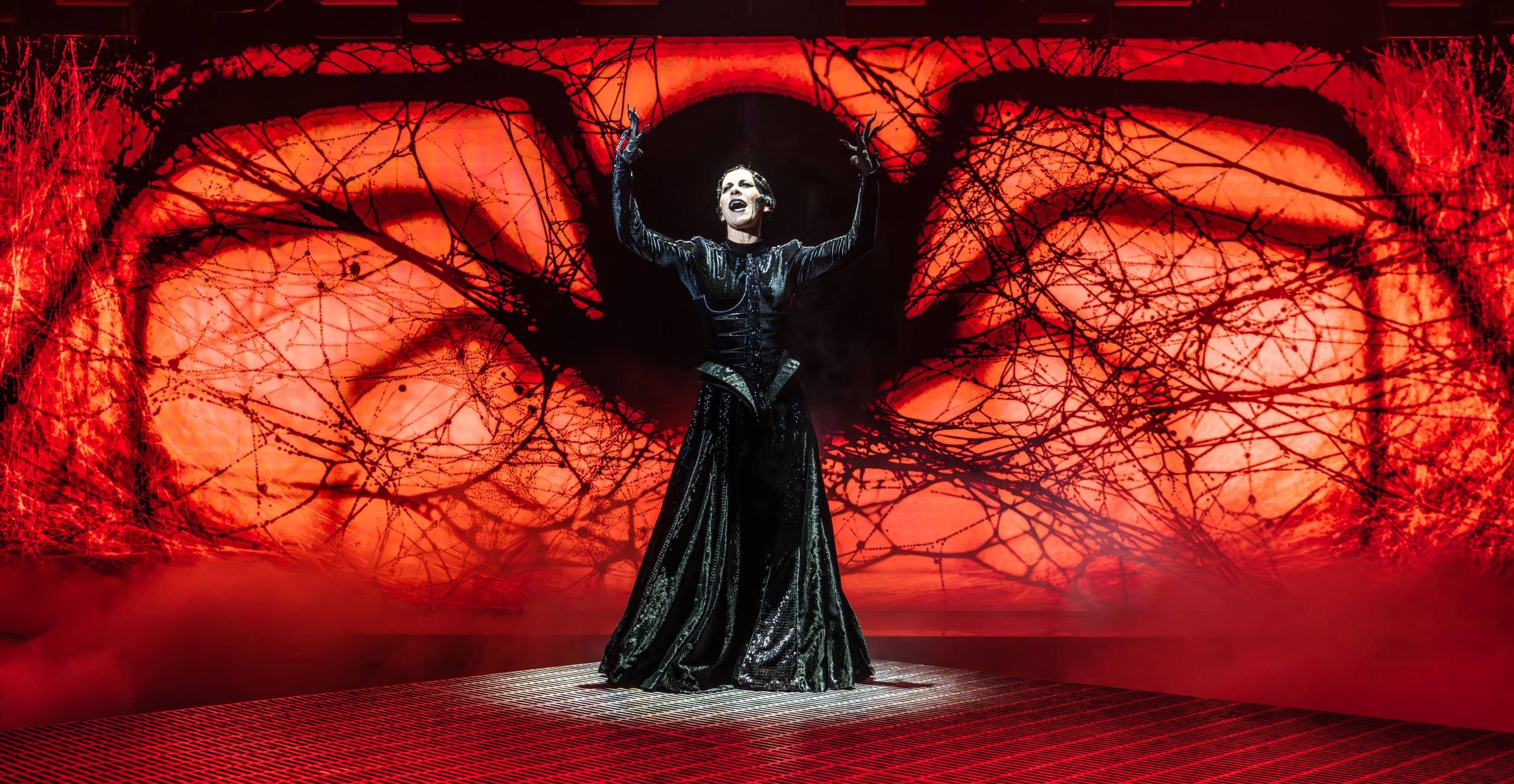
Cigarette smoke, student politics, artistic ego and emotional collapse swirl together in David Hare’s Teeth ’n’ Smiles, revived in the West End fifty years after it first shocked audiences at the Royal Court. Set during a chaotic Cambridge May Ball in 1969, the play follows struggling rock band Maggie Frisby and the Skins as the idealism of the sixties begins curdling into something far messier. Written in 1975, Hare’s play emerged from the same cultural landscape that produced punk, glam rock and the collapse of flower-power optimism, and Maggie herself has often drawn comparisons with figures such as Debbie Harry and Patti Smith: charismatic, self-destructive women trying to survive in male-dominated music scenes while everything around them threatens to implode.

This new revival clearly hopes to reconnect the play with a modern music audience through the casting of Rebecca Lucy Taylor, better known as Self Esteem. And for a while, it works.

The first half has genuine electricity running through it. Taylor gives a committed, charismatic performance as Maggie, capturing both her swagger and her slow-motion collapse. More importantly, she sounds fantastic. The songs land well, particularly the newer material written for this production, and whenever the band launches fully into performance mode the show suddenly finds clarity and pulse. If you love theatre and live music equally, there is a lot here to enjoy.

The younger cast members also bring much-needed energy and realism. Roman Asde is particularly impressive as Anson, giving one of the evening’s most believable and emotionally grounded performances. Michael Fox brings restraint and quiet melancholy to Arthur, while the rest of the band feel convincingly scruffy, weary and trapped together in that specific post-gig emotional wasteland of cigarettes, bruised egos and bad decisions at 2am.

Unfortunately, not every performance lands as successfully. Phil Daniels undoubtedly brings cultural weight and recognisable swagger to Saraffian, but the casting feels oddly outdated for a modern West End revival. Rather than disappearing into the character, Daniels often simply feels like Phil Daniels performing a familiar version of himself, and alongside some of the younger cast members the performance begins to feel curiously out of step with the production around it.

Despite its flashes of brilliance, the production ultimately collapses under its own weight.

The second half becomes increasingly muddled and dramatically unfocused. This is not an especially difficult story to follow, which makes the confusion more frustrating. Scenes blur together, emotional threads lose momentum and the production never quite finds a clear dramatic rhythm once the initial energy dissipates. The play’s themes of artistic burnout, fading counterculture and musical disillusionment remain interesting, but they are not shaped sharply enough here to sustain the running time.

Taylor cannot carry the entire production alone, however magnetic she is. She needs stronger support around her: tighter direction, clearer storytelling and, in some cases, stronger performances.

Inevitably, comparisons have also been drawn with Stereophonic, which recently occupied the same theatre and explored similarly toxic band dynamics with far greater precision and emotional depth. Teeth ’n’ Smiles has moments of raw atmosphere and musical power, but never reaches that level of cohesion.

Like the band at its centre, this production is chaotic, bruised, occasionally thrilling and ultimately unable to hold itself together.

UTS Rating: 🎭🎭

#TeethAndSmiles #SelfEsteem #DavidHare #WestEnd #TheatreReview

I Was a Teenage She-Devil @ The Other Palace Studio, London – April 2026

I Was A Teenage She-Devil is a slice of full-throttle, neon-drenched insanity, in the best possible way.

The show began life at the Edinburgh Fringe, and you can feel that DNA running right through it. This is a show built for late-night crowds, cult energy and word-of-mouth buzz; now it’s made the leap to London at The Other Palace’s intimate studio, bringing its glitter, guitars and glorious chaos with it. Written entirely by Sean Matthew Whiteford, it has a clear, confident voice and a strong sense of exactly the world it wants to create.

At the show’s heart is a classic (and knowingly bonkers) story: Nancy must quite literally sell her soul, journey to hell and back, through that chaos discover who she really is and, of course, find true love at the end of it all. It’s big, bold storytelling, delivered with a tongue in cheek wink and a lot of volume.

From the moment it starts, the energy is sky-high and stays there. No slow build, no gentle introduction,  just straight into a riot of sound, colour and attitude. Neon pink, glitter, leather, studs… it’s all here, with playful nods to 1980s music and film culture woven throughout, including a cheeky Back to the Future quote and a tribute to icon Sam Fox through song.

Vocally, it’s seriously strong. Big, high-octane voices across the cast, with numbers that feel closer to a live gig than traditional musical theatre. There’s  confidence to it, as though everyone on stage knows exactly the show they’re in and is having a great time delivering it.

🔥Standouts?
Jordan Fox’s Big Rod is a scene-stealer – funny, charismatic and just the right side of ridiculous, with mesmerising denim shorts that deserve their own billing (and postcode, to be honest 😉). Think somewhere between Disney’s Gaston and a Bill & Ted character dropped into a rock musical. Aoife Haakenson’s Nancy is engaging and grounded (the pink neon recorder is a beautiful touch!), giving the show a strong, likeable centre and a performance that holds its own amid all the chaos. And then there’s Satan, brilliantly played by Sean Arkless, who is right up there with the best. His seamless shift from awkward library weirdo to leather-studded rock devil is a standout transformation and one of the show’s most entertaining arcs.

Chaos really is the order of the day. Confetti flying. Satan making an entrance. Glitter everywhere. A metal-infused god-like moment. Possession. Synths. Big hair energy. It comes at you in waves, a kind of joyful, controlled madness that feels very true to its Fringe roots.

There are glimpses of something deeper underneath – identity, belonging, a touch of darkness – but they’re lightly sketched rather than fully explored. You do get the sense there’s room for this to grow into something even bigger and sharper if it wanted to lean further into those themes.

At 80 minutes, it’s tight, punchy and slick. Hugely entertaining, brilliantly performed, and clearly very well rehearsed. Whether it evolves beyond this or stays exactly as it is, it already succeeds at what it sets out to do: deliver a fun, high-energy, slightly unhinged night of theatre.

⭐ UTS rating: 🎭🎭🎭🎭
I Was A Teenage She-Devil continues at The Other Palace Studio until 26th April with tickets available here: I Was a Teenage She-Devil – The Other Palace Theatre

Under the Stars Interview – From Fringe to London: I Was A Teenage She-Devil

Some shows arrive fully formed. Others explode onto the scene in a blaze of glitter, guitars and chaos and then grow into something bigger, louder and sharper. I Was A Teenage She-Devil definitely appears to belong in the second category.

The 80s horror rock musical first appeared at the Edinburgh Fringe before transferring to London. It starts previews tonight at The Other Palace, and it’s already building the kind of cult buzz that new musicals dream of. Behind it are producers Claire Feuille and Josh Dooley of Feuille Dooley Productions, who have worked across everything from Fringe theatre to Broadway and were also involved with the journey of the amazing Operation Mincemeat from West End to Broadway.

Fittingly, their first reaction to She-Devil was not a careful business decision. It was the music. They told me that when they first heard the score, they thought someone had discovered a lost mixtape of previously unheard hits by every 80s legend imaginable. They were hooked immediately.

From Fringe Chaos to London Glow-Up

Moving from Edinburgh Fringe to an Off West End run isn’t just a venue change, it’s an evolution. The new London production includes edits to the book, new material including a brand new song, and a full creative upgrade with set design, lighting and sound transforming the space into a complete world rather than a Fringe black box.

But what’s interesting is that these producers clearly love the Fringe process. They described Fringe as being on “a different planet” compared to London and New York. At Fringe, there’s nowhere to hide behind production value. The work has to stand on its own, and everyone on the team ends up doing everything from logistics to quick changes to laundry.

London, though, is where they prefer to develop new musicals long term, largely because of audiences. They said London audiences are far more open to the messiness of new work in development and are constructive in their responses, whereas New York audiences can be much less forgiving during the process phase. That alone probably explains why so many new musicals now choose London as a development home.

80s Horror Rock, Identity and Heart

On the surface, I Was A Teenage She-Devil sounds like pure camp chaos: 80s horror rock musical, big energy, big hair, big guitars.

But underneath, the show also explores identity and finding your true self, particularly through a queer lens. The producers talked about how the 80s were incredibly queer in fashion, music and culture, yet mainstream films rarely openly celebrated queer characters or stories. This show aims to do exactly that, combining comedy, horror and a genuinely heartfelt core.

It’s that combination of ridiculous fun and real emotion that often creates cult musicals.

What Producers Actually Do (Apparently Everything!)

I asked, for those who may not know,  what producers actually do, and the answer was one of my favourite parts of the interview.

Josh said that early in his career he asked a big producer what a producer actually does, and the answer he got was simply:

“Producers produce.”

He didn’t understand it at the time, but now he says the job is basically to produce whatever is needed. Need money, people, a venue, a solution to a problem, a new plan, a miracle? That’s the producer’s job. He joked that the mob would probably call them “fixers.”

In reality, producing a new musical involves choosing the show, planning its development path, building the creative team, finding the right venues, managing marketing and audience development, listening to audience feedback and, of course, raising money. Constantly.

Lessons from Operation Mincemeat

Through their work on the West End to Broadway transition of Operation Mincemeat, Claire and Josh saw first hand how a show can grow from Fringe beginnings to global success. One of the biggest lessons they took from that production was the importance of audience community and not jumping too quickly into bigger venues. Gradually increasing theatre size allows a fanbase to grow and keeps shows financially sustainable.

It’s a fascinating reminder that theatre success isn’t just about the show itself. It’s about strategy, audience relationships and long-term development.

Building an Audience Before Opening Night

Another really interesting point was about the concept album being released before the London run. The producers believe new musicals shouldn’t be overly protective of their material anymore because audiences now have endless entertainment choices competing for attention every minute of the day.

Instead, releasing music early helps build a relationship with audiences before they even step into the theatre. Theatre isn’t just about one night out. It’s about building fans who come back again and again.

Advice for New Musical Writers

Claire and Josh’s advice for writers and theatre makers developing new musicals was surprisingly honest.

Josh said that he once chased stability outside the arts and found neither stability nor happiness, so returned to theatre because if you’re going to struggle financially, you might as well enjoy what you’re doing! Fair play!

Claire said the most important thing is finding the right collaborators and sticking with them, because developing a new musical is a long journey and you need a team who believe in each other.

Both pieces of advice felt very real and very theatre.

What’s Next for She-Devil

The big dream for the future of I Was A Teenage She-Devil is simple: a bigger space, bigger budget and a live band on stage. The show is essentially a rock concert in musical form, and Josh and Claire clearly can’t wait to fully realise that scale.

Meanwhile, they’re heading back to New York and Edinburgh Fringe with new plays and will be returning to London again later in the year with more work. So they are definitely producers to keep an eye on – watch this space!

What I loved about speaking to Claire and Josh is that they clearly love the messy, chaotic, unpredictable process of making new theatre. And that’s exactly where the most exciting shows come from.

I Was A Teenage She-Devil feels like one of those shows that could have a very interesting journey ahead of it.

And honestly, any musical described as an 80s horror rock musical with a heart already sounds like a very good night out to me. I truly can’t wait to see it on Wednesday!

I Was A Teenage She-Devil begins previews at The Other Palace Studio TONIGHT! It opens on 8th April and runs until 26th April. Don’t miss it –  book your tickets here: I Was a Teenage She-Devil – The Other Palace Theatre

#IWasATeenageSheDevil
#LondonTheatre
#OffWestEnd
#NewMusical
#TheOtherPalace  

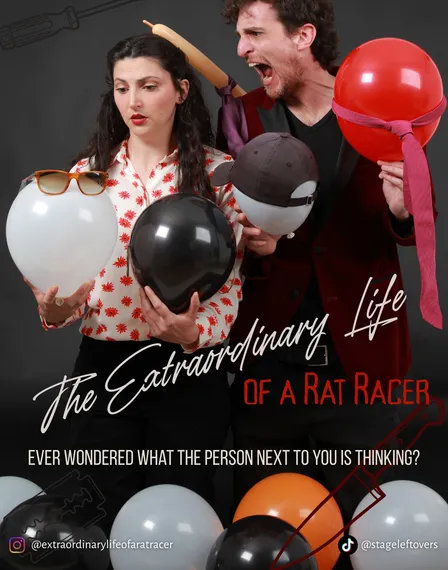
The Devil Wears Prada @ The Dominion Theatre – April 2026

There’s something undeniably thrilling about attending a big, glossy West End production and The Devil Wears Prada absolutely delivers on spectacle.

Based on the much-loved 2006 film The Devil Wears Prada, which starred Meryl Streep and Anne Hathaway, the story actually began life as a bestselling novel by Lauren Weisberger, published in 2003. The journey from page to screen to stage feels fitting for a story so steeped in ambition and reinvention.

The musical adaptation brings together an equally high-profile creative team, with a score by Elton John, lyrics by Shaina Taub and a book by Kate Wetherhead. Following earlier runs, it arrived in the West End in 2024, stepping confidently onto one of London’s biggest stages.

This is a show that knows exactly what it is: bold, glamorous and unapologetically stylish. From the moment you take your seat at the beautifully refurbished Dominion Theatre, there’s a real sense of occasion. It’s a stunning space; grand, comfortable, and perfectly suited to a production of this scale. There’s something simply fun about being part of an audience for a show this big with a high-profile star, a packed house, and that unmistakable buzz that only the West End at full tilt can create.

From the outset, this show feels like stepping into a fashion fantasy. The sets are slick and ambitious, with the Paris sequence in particular standing out as a real visual highlight – elegant, atmospheric, and beautifully realised. The costumes, as you’d hope, are a triumph: faithful to the spirit of the film while cleverly adapted for the stage, they bring that iconic world to life with flair.

Performance-wise, the cast is strong, but the standout for me was Matt Henry as Nigel. Charismatic, warm, and vocally superb, he completely owned the stage whenever he appeared. Having previously seen him as Lola in Kinky Boots at the Adelphi Theatre, it was a real treat to see him again here and he did not disappoint. There’s a natural ease and confidence to his performance that draws you in, and he brings both heart and humour to the role.

Vanessa Williams is, of course, a major presence as Miranda Priestly. She’s poised, controlled, and effortlessly watchable, offering a slightly softer, more measured take than Meryl Streep’s iconic film portrayal. It’s a different interpretation, but one that works well, and she carries the role with undeniable star quality (and looks phenomenal doing it).

Where the show falters, however, is in its music.

With Elton John behind the score, expectations are naturally sky-high. Yet surprisingly, the songs don’t quite leave their mark. While they support the action well enough in the moment, there’s a lack of standout numbers; nothing that lingers in the mind once the curtain falls. For a production of this scale, and with such a legendary composer attached, it feels like a missed opportunity.

That said, The Devil Wears Prada remains a hugely enjoyable night out. It’s polished, entertaining, and visually impressive – the kind of show you go to when you want to be swept up in something big, bold, and beautiful.

It may not have a killer soundtrack… but it absolutely knows how to put on a show.

UTS Rating: 🎭🎭🎭

#thedevilwearsprada #dominion theatre #vanessawilliams #matthenry #eltonjohn

Ballad Lines @ Southwark Playhouse – March 2026

Saw Ballad Lines at Southwark Playhouse last night and honestly, what a special piece of theatre.

This beautiful new folk musical weaves together the stories of three women across centuries from 17th-century Scotland to present-day New York. All are connected by the same question: what does it mean to choose your own path as a woman, especially when it comes to motherhood? It’s a powerful, generational story about legacy, identity and the choices we inherit or fight to change.

The music is absolutely stunning. A rich blend of original songs with traditional Scottish, Irish and Appalachian ballads that feel both ancient and completely alive.

The performances were just phenomenal. Fantastically sung and acted by everyone on stage, with gorgeous ensemble work and choreography that flowed effortlessly with the music. At times it felt like the voices of these women were echoing through each other across time. So moving.

What struck me most was how relevant it all felt. The themes of women’s choices, autonomy and expectation are explored across generations, yet land with such clarity today. It never feels preachy, just deeply human and quietly powerful.

The show finished to a thoroughly deserved thundering standing ovation. I would put money on this transferring to the West End. It feels like one of those shows that’s only just beginning its journey.

Murder In The Cathedral @ Southwark Cathedral – November 2019

TS Eliot’s drama is all too frequently overlooked and overshadowed by his poetry, written off as cumbersome and inaccessible. Murder In The Cathedral, Eliot’s 1935 take on the assassination of Archbishop Thomas Becket in Canterbury Cathedral during the reign of Henry II in 1170 is, however, often deservedly the exception. Written entirely in verse, it is the result of Eliot’s commission by George Bell, the then Bishop of Chichester, to write a play for the Canterbury Festival that year.

The action occurs between 2 and 29 December 1170, chronicling the days leading up to the martyrdom of the politically ambitious Becket following his absence of seven years in France. Becket’s internal struggle is the main focus of the piece and Scena Mundi’s interesting new production, staged recently and aptly at Southwark Cathedral with a nod to the approaching 850 year anniversary of Becket’s murder in 2020, does well to draw on and accentuate the strengths of the piece.

It isn’t often that one has the chance to attend a theatrical performance in a cathedral and the echoey, dark vaults and chambers and potent smell of frankincense created the requisite eerie and unique atmosphere immediately and perfectly. Magical.

The huge space gave endless opportunities for use by the actors and whilst the majority of the action took place at quite a distance it was good, at times, to witness the excellent performances of the Women of Canterbury at close quarters, which created an immersive feel. The play begins with this Greek drama-style Chorus, a key component of the piece, singing, foreshadowing the coming violence. The Chorus becomes a character in its own right, its voice changing and developing as the action ensues and as it offers commentary and provides a link between audience, characters and action. All eight female members of this ensemble contributed well to its success as a dramatic mechanism; the collective speech was spot on and the singing resonated with a foreboding that was beautifully understated yet chillingly effective.

Jasper Britton’s Becket was charismatic and commanding, achieving the perfect balance between resilient martyr and sympathetic, passionate preacher, accentuating perfectly some of Eliot’s more lyrical bits of verse. His delivery of Becket’s meaningful Christmas day sermon is particularly memorable.

The lighting design also deserves special mention, the occasional blood red filters lending themselves marvellously well to the overall atmosphere.

The only real drawback was that whilst a performance of this play in a cathedral is of course incredibly atmospheric and fitting, the majority of the audience were usually a very long way from action that often required the close proximity of onlookers to achieve maximum dramatic impact (for example, the murder itself).

I would be interested to see how this production might work in the smaller, more intimate setting of a church.

Mort @ Erith Playhouse – October 2017

Being one of the small percentage of the population who has never read a Terry Pratchett book, I really had no idea what to expect when I attended the opening night of Mort, the second production in Erith Playhouse’s current season. There was already a bit of a buzz around the show and producer Terri McCann (in her directorial debut at the Playhouse) had presented the project with such enthusiasm at the Season Launch, that I had a feeling I was in for a bit of a treat.

Published in 1987, Mort is the fourth novel in Pratchett’s much-loved Discworld series and is the first to focus on the character Death, who only appeared as a side character in the previous novels. It was apparent immediately on stepping into the theatre foyer that the production had attracted something of a new audience, with several Pratchett enthusiasts clearly in attendance.

Apparently as a teenager, Mort had a personality that made him unsuited to the family farming business and the story opens with his father, Lezek, taking him to a local hiring fair in the hope that he will obtain some kind of apprenticeship. Mort, at first, has no luck attracting the interest of an employer. Then, just before the stroke of midnight, a man concealed in a long black cloak arrives on a white horse. He says he is looking for a young man to assist him in his work and, to his father’s delight, selects Mort for the job. The man turns out to be none other than Death, and gives Mort an apprenticeship in “ushering souls into the next world.”

When it is a princess’s time to pass on (according to a complex preconceived reality) Mort, instead of ushering her soul effectively, actually saves her from death, dramatically altering a part of Discworld’s reality and pushing the princess into what seems to be a some kind of shady halfway-house. The princess does not have long to live, and Mort must try save her, once again, from a seemingly inevitable death.

As Mort continues run Death’s errands, he begins to lose some of his former character, almost starting to morph into Death himself. Death, in turn, yearns to find out what being human is like and travels to Ankh-Morpork to indulge in new experiences and attempt to feel mortal emotion. In the end, Mort must fight Death not only for his freedom, but his daughter’s hand.

Martin Gilby gives a superb performance as Death, taking the character literally in his stride as he glides about the stage, white-faced and sunken-eyed on stilts, swathed in a black cloak, his voice amplified with an eerie, booming effect. He is an absolute sight and sound to behold and his creation is clearly not only a product of the director’s vision and his own spot-on interpretation, but a brilliant team effort by Wardrobe (Elizabeth Foster), Props (Sue Newman), Sound (Steve Nash) and Lights (Simon Dinsmore, Adam Davis and Hazel Watts). Mark Fromings as Mort is equally triumphant, bringing the character to life and delighting the audience from the off with his ginger wig and the affable, easy demeanour he brings to all of his roles to make acting look far too easy. Someone remarked it was as though he had stepped straight from the pages of the book. Rebecca Liquorish as Death’s daughter, Yasabell, who also becomes Mort’s unlikely love interest, also puts in a strong performance as do Roger Butler as Albert, Kate Richardson as Princess Keli and Anthony Denford as Cutwell. They are supported by an excellent ensemble, who not only play five or six roles each but, along with a hard-working backstage crew, act as “scene-setters”, manoeuvring flats to effect a whopping twenty-five seamless changes. Special mention must go to Suzanne Whitnall’s spectacular interactive door knocker and Jane Ghost-Cavanagh’s insalubrious lady of the night who takes Death’s experience of mortal life to another level.

Terri McCann’s staging is simple, yet effective, interspersed with special light, sound and multimedia effects to create a version of Discworld that visibly delighted the audience. I must say, as a Pratchett novice, I found the story a little difficult to follow at times, but this did not detract from my enjoyment. A debut directorial creation to be very proud of indeed.

A Day by the Sea @ Southwark Playhouse – October 2017

Two’s Company’s efforts to revive long-forgotten classics continue at Southwark Playhouse with A Day by the Sea. The play, written by N.C. Hunter, heralded as the “English Chekhov”, but shamefully overlooked in his day, arrives in the wake of several other successful productions by the company in recent years, namely What the Women Did (2014), The Cutting of the Cloth (2015) and The Fifth Column (2016).

Set in Dorset on an idyllic summer’s day in 1953, the play focuses on the Anson family. Julian Anson, a diplomat based in Paris, is taking time out of his work-orientated existence to visit his parents at the original family home. He is surprised to find an old childhood friend also visiting with her children and trying to recover from a scandal concerning her marriage. Julian’s mother has always wished he would settle down and marry, but he scornfully resists. The family plan a day out for a picnic on the beach which, rather than offer Julian the relaxation it should, serves only to provide the backdrop for unexpected disappointment.

Act One sets the scene, and, initially, things moved a little slowly with a few bungled lines, awkward pauses and late sound cues. Everything felt a little bit dated, with the script seeming to meander along aimlessly and the odd topical political quip and comment about war and “the ridiculousness of men” forming the only real connections between the piece and modern life. By the interval, l was a little concerned that this revival was no contender for some of the company’s earlier work, both in terms of the material on offer and the production itself.

Everything perked up enormously for Act Two, however, with the actors seeming to find their confidence and/or overcome nerves, and the action becoming pacier and moving from situation-building to the outpouring of raw emotion and regret, with the sea setting the scene for confession and proposition.

John Sackville’s austere Julian who, having just faced a monumental blow to his career, begins to reflect on a life which has, until now, been dedicated to work. He laments lost opportunities, articulating the real Chekhovian feelings of loss and lack of fulfilment to which we can all relate. This results in a somewhat awkward exchange between he and Alix Dunmore’s serene Frances Farrar, who delivers a fine central performance, managing to combine detachment and humility throughout. Their situation is comically mirrored by Stephanie Willson’s pitiful Miss Mathieson, the childrens’ Nanny, who, seemingly terrified of becoming an ‘old maid’ embarrasses herself terribly with Doctor Farley (played humorously by David Acton).

The play is a little long, but, once it gets going, deals sensitively and openly with the human condition. Combined with the excellent comic timing of Susan Tracy’s Mrs Anson, the numerous amusing interjections of Davids Acton, Gooderson and Whitworth and Alex Marker’s lovely set, this isn’t a bad evening’s entertainment at all.

Orphans @ Southwark Playhouse – February 2016

Lyle Kessler’s moving tale of abandonment, fear and isolation is brought vividly and movingly to life by Dilated Theatre at Southwark Playhouse this month.

Orphans is the story of Philip and Treat, two brothers who, having lost their mother before they can remember, are latterly deserted by their father and left to fend for themselves in a dilapidated apartment located in Kessler’s native Philadelphia.

“Man-child” Philip has seemingly never ventured outside. He is thwarted, controlled and stunted in intelligence, worldliness and any form of growth by his older brother Treat, the violent pickpocket breadwinner, who is terrified of any kind of external influence threatening the closeted, unhealthy and controlled way of life he has fostered for his younger sibling.

Chris Pybus pitches Philip perfectly, creating a wide-eyed, curious creature with a painful under-nourished look about him, exuding curiosity and longing for something beyond his four walls, whether this be remnants and reminders of the departed mother he barely remembers, books to read or permission to look out of the window. His frightened animal energy is both pitiful and endearing and the dynamic between him and older brother Treat, portrayed by a brooding, fiery Alexander Neal, is electrifying from the outset. Treat is not the easiest of roles, with the actor needing to marry his bubbling, pent-up anger with the vulnerable abandoned child inside, however Neal handles these nuances well and his outbursts of rage are believable and, at times, quite terrifying.

It was always going to take something unusual to upset and challenge this comfortable, carefully cultivated status quo and this comes in the shape of Harold, a drunk businessman Treat encounters in a bar, lures back to the apartment, and retrospectively decides to kidnap in the hope of raising some ransom money.

However, there is far more to Harold than meets the eye, and as events unfold, we see him gradually and manipulatively turn the tables by befriending Philip, moving into the apartment and offering Treat a “job”. His true agenda is never really revealed but the way he is able to shape the brothers’ perception of him with his kindred spirit, generosity, kindness (feigned or not) and ability to furnish them with a new-found sense of belonging and self-worth is quite ingenious. The shabby apartment becomes a home; they suddenly have new clothes, new shoes, decent food on the table. He is a father, mentor and employer all rolled into one, giving Treat the sense of worth and purpose he has been craving, flattering him into submission and allowing Philip freedom whilst simultaneously grounding him, opening his eyes and demonstrating to him his place in the world.

Genuine American Mitchell Mullen is perfect as the older man, from his entrance as the futile drunk to his final moments. He exudes a charismatic air of mystery which is perfect for the role and we never once doubt his ability to play Treat and Philip, controlling everything but the ultimate outcome of the piece which brings the world crashing down around the brothers’ ears all over again. The final scene is beautifully acted and downright heart-breaking.

Kessler’s excellent, thought-provoking script combined with some fabulous performances and emotionally raw moments make for a great night out on the Fringe. It would be fabulous if this could transfer; the play and actors alike deserve more exposure.

At Southwark Playhouse until 5 March 2016.

Tommy @ Greenwich Theatre – August 2015

The Who’s Tommy started life as a concept album, with music and lyrics by Pete Townshend, catapulting the band to mainstream fame on its release in 1969. In 1975, it formed the basis for a film starring Elton John and Tina Turner and in 1993 it reached the Broadway stage. In 1996, it descended on London’s West End in a vibrant, colourful and high-tech production starring Paul Keating, Nigel Harman and Kim Wilde. What struck me immediately back then, and kept me returning, was the sheer genius of the music. The show is completely sung-through with little dialogue, so naturally Townshend’s intricate, varied and compelling score is the driving force, carrying the action and charting the twists, turns, ups and downs of the characters’ lives, emotions and dilemmas like some kind of out-of-control rollercoaster.

Ashley Birchall as Tommy in The Who's Tommy. Photo Credit Claire Bilyard (2)

That the score alone is a thrilling ride is naturally a fantastic starting point for anyone looking to stage this. The large-scale attempts have been few and far between over the years, so any new production is welcome and this intelligent reimagining by Michael Strassen at the Greenwich Theatre this month does not disappoint on any level.

Yes, the story is pretty ridiculous. Young boy endures a horrible childhood trauma, goes blind, deaf and dumb, somehow becomes an expert pinball player then achieves world fame and media domination when his mother finally works out how to ‘cure’ him. It smacks of the psychedelia of the day it was written, of course, and this only provides further scope for creativity and vision. Strassen explores all of the opportunities, employing striking, yet often simple symbolism and imagery throughout, bringing a stylistic, artsy feel to proceedings and forcing us to make connections we hadn’t made before.

Mark Smith’s choreography compliments the direction perfectly, his ballet sequences heightening the innocence, purity and beauty Tommy personifies and coupling nicely with the all-in-white cast. There are some interesting Fosse-style and Village People-esque moments thrown in now and again too, which all add nicely to the entertainment.

Ashley Birchall gives an impeccable portrayal of Tommy and is mesmerising throughout with his deft, graceful movements and soaring falsetto. The intimacy of this theatre allows the audience to experience his disabilities and resulting pain and anguish close up, and Birchall effortlessly handles the contrast between these and the unstoppable gravitas he embodies when he regains his senses and unleashes his pent-up animosity on his parents. John Barr’s Uncle Ernie is everything the character should be, combining the epitome of sleaze with some impressive vocal gymnastics and Giovanni Spano’s calm, collected, quiff-bearing Cousin Kevin is a joy to behold. The four-piece band, under the immaculate musical direction of Kevin Oliver Jones, does perfect justice to the score.

Aside from one or two technical glitches and a bit of mis-casting in places, there is really very little to criticise here and this is a production that will not only appeal to existing fans but undoubtedly win new ones.

Ashley Birchall as Tommy and The Company in The Who's Tommy. Photo Credit Claire Bilyard (2)

Photos: Ashley Birchall as Tommy with the Company. By Claire Bilyard.

Page 2 of 8

Powered by WordPress & Theme by Anders Norén